• The Environmental Impact of Golf Courses

    Since the 1960s, there have been concerns over the impact golf courses have on the environment. These concerns have ranged from the amount of water required for irrigation to the destruction of wetlands during construction. According to the United Nations, golf courses around the world consume 2.5 billion gallons of water per day. Moreover, many golf courses are irrigated with non-potable water, and some use toxic chemicals that are harmful to the environment and bird populations.


    Rough: The area between the fairway and the mowed apron surrounding the green is referred to as the rough. This is generally much taller and coarser than the fairway, which makes it difficult to hit the ball. Many golf courses have different roughs, depending on their length and distance from the green.


    Teeing Area: Each hole on a golf course at https://www.cypresswood.com/ has a teeing area. These areas are marked by a pair of tee markers. These markers usually correspond to the color of a line on the scorecard. The first tee, is often designated with a "Blue" color.


    Par 3 Course: Par three golf courses are often the best option for beginners or those who want to work on their short game. Par three courses are also great options for people looking for a quick round of golf during a lunch break. These shorter courses are fun to play and offer a friendly environment for players of all skill levels.


    Practice Range: Most golf courses offer practice ranges and putting greens for players to practice their swing. Many practice ranges feature practice greens and practice bunkers. These are used by golfers to warm up and practice before a game. Many golf courses even have driving ranges where players can practice hitting balls into the range. Be sure to click here for more details!


    Links Course: Links courses are generally played on sandy, undulating land with few trees. These courses also usually feature pot bunkers, which are smaller than American-style bunkers. The wind is also a major factor on links courses. These golf courses are typically windswept or feature a coastal setting. The wind can make the ground difficult to play on a links course, so careful course planning is important.


    Par Course: Par courses differ in length, but are typically nine holes. A nine-hole course typically produces a par score between 34 and 36. A nine-hole executive course is typically shorter than an 18-hole course and is a good choice for golfers who want to practice their short game before playing an entire 18-hole course. Look for more facts about golfs at http://edition.cnn.com/videos/sports/2017/05/04/japan-tokyo-2020-olympics-isao-aoki-manga-living-golf-may-2017-spc.cnn/video/playlists/living-golf/.

  • Types of Golf Courses

    A golf course is a series of holes, each connected to another by a fairway. The fairway is a relatively flat surface that is mowed short to make it easy to see the ball and the putter. The fairway also contrasts with the tall grass on either side of the fairway. Although the fairway doesn't always guarantee perfect conditions for a golf ball, staying within the fairway will increase your odds of putting your ball in the cup at the end of the hole.


    A golf course has many different types of tees. Most golf courses have only two or three tees per hole, but some courses have six or seven tees. Tees are designated by color, with Blue tees corresponded to the color line on the scorecard.


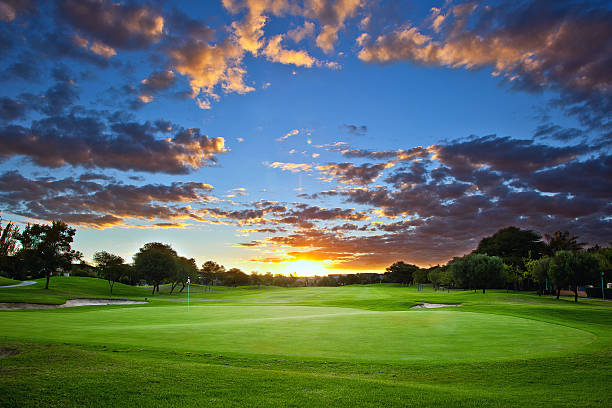
    Some golf courses offer spectacular scenery. Course designers choose a location based on the natural beauty of the area. This allows them to take advantage of Mother Nature's gifts while creating an amazing golf course. Golfers love to take in the landscape and view that most others will never get to see. The views and scenery at these golf courses are some of the most breathtaking in the world.To know more about golfs, visit this website at https://www.britannica.com/biography/Jack-Nicklaus.


    The most famous type of houston golf course is the links course. Its name comes from the Old English word hlinc, meaning a sandy area by the coast. Although there are many courses claiming to be links, true links courses are mostly found in Scotland, Ireland, and England. To be a true links course, a golf course has to be on the coast and feature sandy soil. This is because links golf originated on sandy soil.


    Stadium courses are typically built with spectators in mind. They are designed to make it easier for spectators to follow the action. They typically have strong vantage points and exciting holes. A notable stadium course is TPC Sawgrass, which was the original stadium course. Par-3 and short courses are also popular and are suitable for beginners and intermediate players alike.


    The sandbelt region of Australia is home to some of the world's most impressive golf courses. The area's soil is unusually sandy, which makes the soil ideal for golf. Aside from being scenic, the sandbelt region is an excellent place to play golf. Whether you're looking for an ocean-side course or a desert course, you'll be sure to find something to suit your taste.


    Architects of college golf courses face a unique challenge. They have to create a course that accommodates a wide range of skill levels and is fun for students, faculty, and top amateurs alike. Indiana golf course architect Bob Smyers, for instance, is a nationally competitive amateur golfer, so he knows what a college golf course needs. Be sure to click here for more details!


  • What Are Golf Courses?

    Golf courses are generally comprised of a number of greens. Each green is cut to a certain height above the surrounding rough or fairway. The higher grass surrounding the green is called a fringe and is intended to slow the ball's speed on its journey to the cup. While this method does not guarantee perfect conditions for a golf ball, it improves the odds for a good play.


    Golf courses can also contain natural ponds and creeks. These are generally considered suitable locations for a golf course, but flood plains can contain wetlands that are not conducive to golfing. These wetlands may be filled in or raised so that they remain dry, or they may be marked as water hazards. Golf courses may also use non-native plant life, which may damage the natural landscape of the area. Non-native plant life can also deplete native soil and require excessive water to grow.


    Golf courses also have teeing areas. Each teeing area has two tee markers. Each hole has multiple tee markers, each marked with a different color. The tees are positioned to correspond to a certain line on a scorecard. For example, Blue tees are situated on a line marked "Blue" on a scorecard. Be sure to discover more here!


    Links-style courses are another popular type of golf course. These courses are played on sandy ground with few trees or undulating terrain. They also feature pot bunkers, which are smaller than American-style bunkers. The wind is often a major factor when playing a links course. As such, links courses can be challenging and fun for the average golfer.


    There are many differences between golf courses at https://www.cypresswood.com/. For one, there are very few courses that are alike. There are differences in size and shape, making each one unique. Some golf courses are relatively easy to walk, while others are longer and more difficult. Some golf courses also have par-3 courses for beginners or people who play golf for fun.


    Some golf courses have out of bounds areas. The player must avoid hitting the ball out of bounds because it will result in a one-stroke penalty and must be played again from the original location. In most cases, these areas are marked with white stakes or a line on the ground. The scorecard should also indicate these areas.


    Another characteristic of a golf course is its scenery. The course designer chooses a location based on its natural beauty. The landscapes and views on these courses are often breathtaking, and the views are something that most non-golfers will never get to enjoy. This feature makes golf courses a sport that can appeal to everyone. Be sure to check out this website at http://golf.wikia.com/wiki/Main_Page for more info about golfs.


    Another feature distinguishes championship courses from the rest. Championship courses are usually longer and more difficult than standard courses. In addition, these courses are often reserved for top-level golf tournaments. PGA Tour events are often held at these courses.


Free Website Created & Hosted with Website.com Website Builder

Create Yours

Create Free Website Now

Stunning Website Templates. Free Domain.
website.com: Get Your .COM Domain for Just $14.77/year No Hidden Fees Register Now